
“Sticks, Stones, and the Lie We All Grew Up With” - Old Towne Counseling
There’s a childhood phrase many of us have probably heard growing up:
“Sticks and stones may break my bones, but words will never hurt me.”

Now listen.
I get why adults told us that. It’s catchy. It rhymes. It was easy to shout on the playground when someone was being rude, mean, or generally acting like a tiny gremlin with no emotional regulation. It was meant to toughen us up – a quick little shield to use whenever we needed to feel invincible for approximately 10 seconds.
But now that I’m an adult…and a counseling intern…I can say with personal and professional confidence that this phrase is the biggest load of nonsense we were ever taught.
Because words absolutely hurt.

They can drop your stomach to the floor in seconds and leave you stunned into silence. They can leave you replaying a conversation in your head years later like a song you didn’t even like, but somehow still know the words to. They can shape the way you see yourself, your relationships, and the world around you. And if you don’t believe me, try remembering something harsh someone said to you in the middle school. Go ahead. I’ll wait.
See? Exactly.
On the flip side, if you’ve ever had someone speak something deeply kind or encouraging to you at just the right moment, you also know the other side of that truth: words can breathe life into places that felt empty.
Turns out, words are kind of a big deal.
Like, “maybe we should stop tossing them around like emotional confetti” type of big deal.
The truth is that words don’t just pass through our ears and politely leave. They land somewhere and stick. Sometimes it’s just one word or sentence that somehow lodged itself in our brain, unpacked a suitcase, and decided to stay indefinitely.
Maybe it was a teacher who told you that you were smart.
Maybe it was someone who told you that you weren’t.
Maybe it was encouragement, at the right moment, that gave you confidence to try something new.
Or, maybe it was criticism that stuck around far longer than deserved.
Funny how bones heal faster than some words do.

Scripture actually called this out long before psychology textbooks did.
“The tongue has the power of life and death.” (Proverbs 18:21)
That’s not exactly a minor influence. That’s less of a suggestion and more like a giant warning label. Handle with care. But when you think about it, it makes total sense.
Modern research backs this up too. Studies show that emotionally meaningful words can trigger neurotransmitter activity in the brain, influencing how we process emotions and make decisions (Batten et al., 2025). In other words, words don’t just pass through our ears and disappear. They interact with our biology.
This helps to explain why one careless comment can ruin your mood for days, while one encouraging sentence can stay with you for years.
Brains are funny like that. They remember the good stuff, but they really cling to the bad stuff like it owes them money.

And here’s where it gets even more interesting. Most of us are actually pretty good at using kind words with other people. We encourage friends. We comfort family members. We reassure coworkers. We cheer on our kids. We tell people, “You’ve got this!” But when it comes to the words that we use towards ourselves?
Oh wow.
Suddenly we become the world’s harshest personal critic.
“You should’ve handled that better.”
“Why did you say that?”
“What were you thinking?”
If our inner dialogue were spoken out load, some of us would have to apologize to ourselves immediately. Possibly with flowers. Definitely with snacks.

Ironically, there are entire professions that exist to help people recognize the power of words. For example, in counseling – which is often called “talk therapy” – a primary tool that we often use to help people process trauma experiences, change harmful thinking patterns, build motivation, and develop healthier coping strategies…is language.
Approaches like motivational interviewing (MI) and cognitive-behavioral therapy (CBT) use carefully chosen words to help people shift perspectives and build new habits of thinking. That entire process happens through language. This tells us something super important: words aren’t just sounds. They shape the way we think and the way we see ourselves. And sometimes, they shape the direction of our lives. This means that words aren’t harmless – they’re tools. Powerful ones.
But here’s the part that many of us forget. The most powerful words we hear every day might not come from other people. Sometimes, they come from our own thoughts. And if we’re being honest, some of us talk to ourselves in ways we would never speak to another person. (Me. I’m some of us.)
The truth is, words matter more than we were ever taught as kids. They shape identity. They influence mental health by fueling shame or sparking courage or restoring hope. They also affect the way we show up in relationships and the way we see ourselves.

Sticks and stones might break bones – and yes, bones usually heal.
But words?
Words are extremely powerful. They can wound. They can restore. They can shift entire perspectives.
So, maybe we don’t need to completely throw out that childhood rhyme, but we might want to revise it a little:
Sticks and stones may break my bones, but words have the power to heal, build, and transform me.
This has a better ring to it, don’t you think? Because if life teaches us anything, it’s this: words don’t just disappear after they’re spoken. They leave marks – both good and bad. Maybe the real lesson to be learned here isn’t that words can’t hurt us, but rather they matter enough for us to be a whole lot more careful with the ones we choose to use – towards others and towards ourselves.
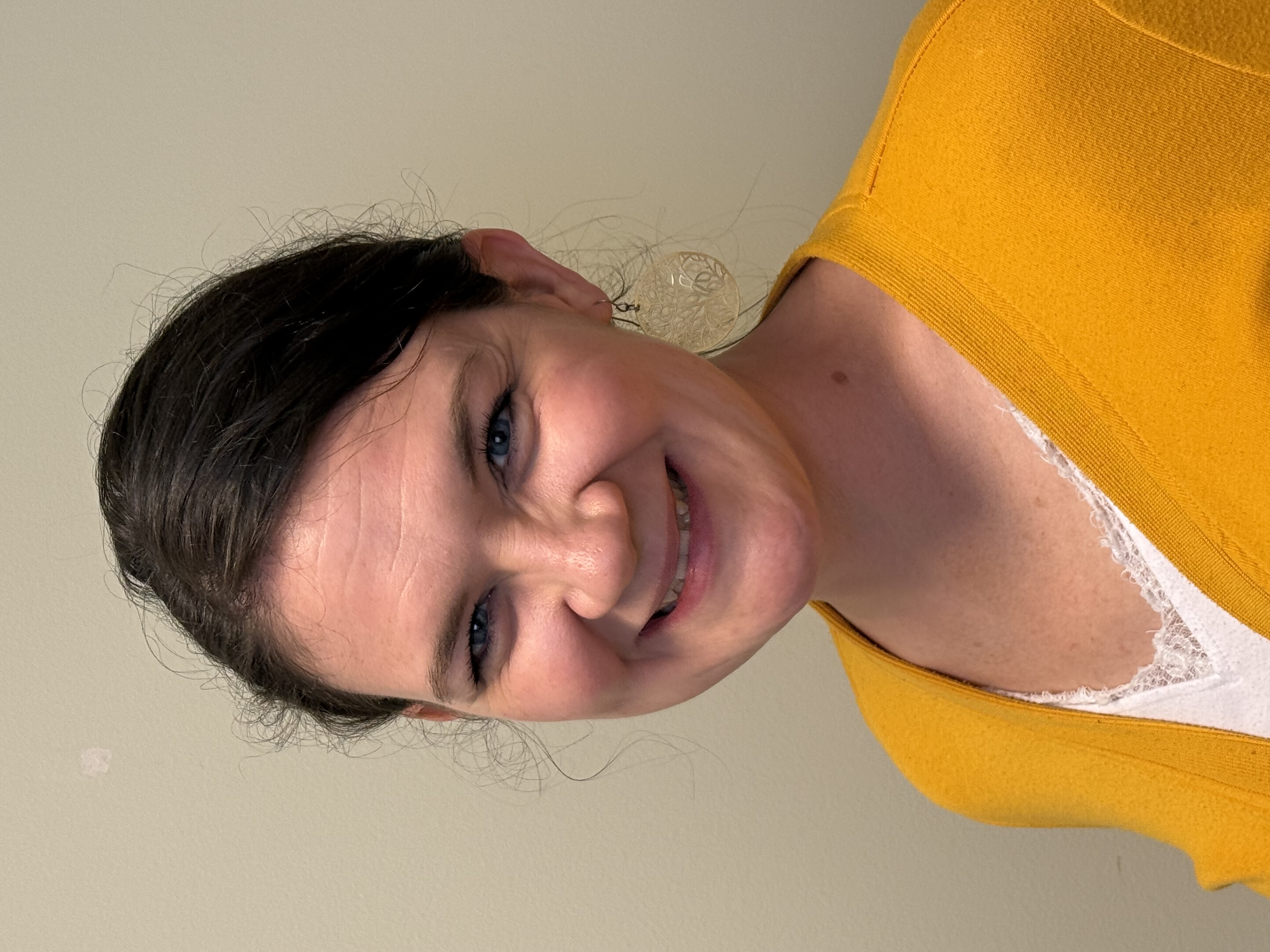
By: Stacy Myers, Graduate Intern
References
Batten, S. R., Hartle, A. E., Barbosa, L. S., Hadj-Amar, B., Bang, D., Melville, N., Twomey, T., White, J. P., Torres, A., Celaya, X., McClure, S. M., Brewer, G. A., Lohrenz, T., Kishida, K. T., Bina, R. W., Witcher, M. R., Vannucci, M., Casas, B., Chiu, P., … Montague, P. R. (2025). Emotional words evoke region- and valence-specific patterns of concurrent neuromodulator release in the human brain. Cell Reports, 44(1), 115162. https://doi.org/10.1016/j.celrep.2024.115162


